


Honda Catalytic Converter Replacement Cost
A Realistic Guide To Replacing Your Old Catalytic Converter

Replacing a Honda catalytic converter can be one of the most expensive exhaust system repairs you will face. Whether your converter has failed, been damaged, or been stolen, replacement costs can range from around $1,000 to more than $4,000 depending on the model.
The good news is that many Honda owners don’t realize their original catalytic converter may still have value after replacement. In some cases, recovering value from the old converter can help offset a portion of the repair expense.
This guide explains:
- Average Honda catalytic converter replacement costs
- Why Honda converters are expensive
- OEM vs. aftermarket replacement options
- Additional repair costs to expect
- How to potentially recover value from your old converter
Sell Your Honda Converter Today
Average Honda Catalytic Converter Replacement Cost
Honda catalytic converter replacement costs vary based on the vehicle model, emissions requirements, labor rates, and whether OEM or aftermarket parts are used.
Below are some estimated replacement costs for popular Honda models:
Based on repair estimates. Actual costs may vary depending on vehicle year, location, labor rates, emissions requirements, and additional repairs.
| Honda Model | Estimated Replacement Cost |
|---|---|
| Accord | $2,795–$2,964 |
| Civic | $2,523–$3,456 |
| CR-V | $2,267–$2,477 |
| Odyssey | $2,083–$2,167 |
| Pilot | $1,919–$2,075 |
| Ridgeline | $1,453–$1,591 |
Why Honda Catalytic Converters Are So Expensive
One of the primary reasons Honda catalytic converters are expensive is that they contain valuable precious metals used to reduce harmful emissions.
These metals may include:
- Platinum
- Palladium
- Rhodium
The market value of these metals can fluctuate significantly, directly affecting catalytic converter prices.
Additional factors that influence replacement costs include:
- OEM manufacturing standards
- Vehicle-specific emissions requirements
- Supply and demand for replacement parts
- Theft-related shortages
- Multiple converter configurations on certain models
OEM vs. Aftermarket Honda Catalytic Converters
When replacing a Honda catalytic converter, you’ll typically choose between an OEM converter and an aftermarket alternative.
OEM Catalytic Converters
OEM (Original Equipment Manufacturer) converters are designed specifically for your Honda vehicle.
Benefits include:
- Factory fit and performance
- Easier emissions compliance
- Longer expected lifespan
The downside is that OEM converters are usually the most expensive option.
Aftermarket Catalytic Converters
Aftermarket converters are manufactured by third-party companies and generally cost less upfront.
Benefits include:
- Lower replacement cost
- Greater availability
- Budget-friendly alternative
Potential drawbacks may include:
- Shorter lifespan
- Lower precious metal content
- Emissions compliance limitations in certain states
The right choice depends on your vehicle, budget, location, and long-term ownership plans.
For more information, read our OEM vs Aftermarket Catalytic Converter Guide.
Additional Costs to Expect
The catalytic converter itself is often only part of the total repair bill.
Additional costs may include:
- Labor and installation
- Oxygen sensor replacement
- Repairs, welding, or fabrication work
- Theft-related damage repairs
Some Honda models also have multiple catalytic converters, which can further increase replacement expenses.
How to Reduce or Offset Replacement Costs
Many Honda owners focus entirely on the replacement bill and never ask what happens to the original catalytic converter.
You may not realize that the converter being removed may still contain valuable precious metals. Depending on the Honda model, converter type, and current market conditions, recovering value from the original converter may help offset a portion of the repair cost.
Before replacement begins, consider asking your repair shop:
“I’d like my old catalytic converter returned to me after the repair.”
You may also want to ask:
- Will the converter automatically be recycled?
- Can I keep the removed converter?
- Are there any documentation requirements?
Many vehicle owners don’t learn this is an option until after the repair is complete.
Learn how to sell your Honda catalytic converter with RRCats.
How Does It Work?
How Do I Ship?
Identifying Honda Catalytic Converters & Serial Numbers
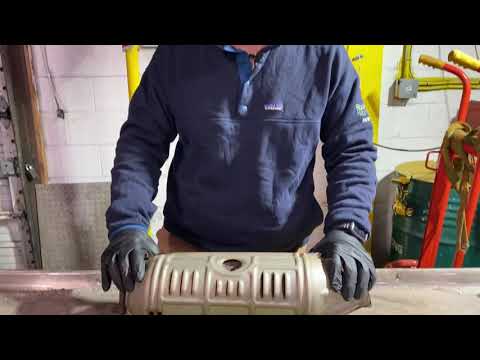
In this video, Tom explains key Honda cat features, including straight O2 sensors, vent patterns, and wing designs.
Identify Your Honda Catalytic Converter Before Replacement
Correct identification is important when determining the type of catalytic converter installed on your Honda.
Honda catalytic converters often include:
- Serial numbers stamped on the unit
- Identification codes
- Model-specific converter layouts
Some Honda vehicles may also have:
- Multiple catalytic converters
- Hybrid-specific converter systems
- Different converter configurations based on engine size
Identifying the converter correctly can help:
- Improve quote accuracy
- Confirm OEM vs aftermarket type
- Support resale evaluation
Use our Honda Catalytic Converter Identification Guide to help identify your converter.
Legal Considerations When Selling a Honda Catalytic Converter
Catalytic converter laws vary by state. Depending on where you live, proof of ownership, identification, or additional documentation may be required before a catalytic converter can legally be sold.
Some states also have restrictions related to:
- Who can sell catalytic converters
- Required paperwork
- Recordkeeping requirements
- Ownership verification
RRCats follows nationwide industry compliance procedures to help support legal and responsible catalytic converter recycling.
Nationwide Catalytic Converter Laws
See Whether Your Honda Catalytic Converter May Still Have Value
If your Honda catalytic converter is being replaced, don’t assume the original unit has no value.
Many OEM Honda catalytic converters still contain valuable precious metals that may make them worth evaluating before they are recycled or discarded.
Before your repair shop disposes of the converter, learn about your options and determine whether recovering value from the original unit may help offset some of your replacement costs.
👇 Get a quote from RRCats today.
Please fill out the form below or text us pictures to get a custom quote for your Toyota converter.
Text Us for Quote

Send Text* →
*By Texting, you agree to our Terms & Conditions, including PayPal Fees
Get Quote By Email